NaLiZrSi6O15 |
 |
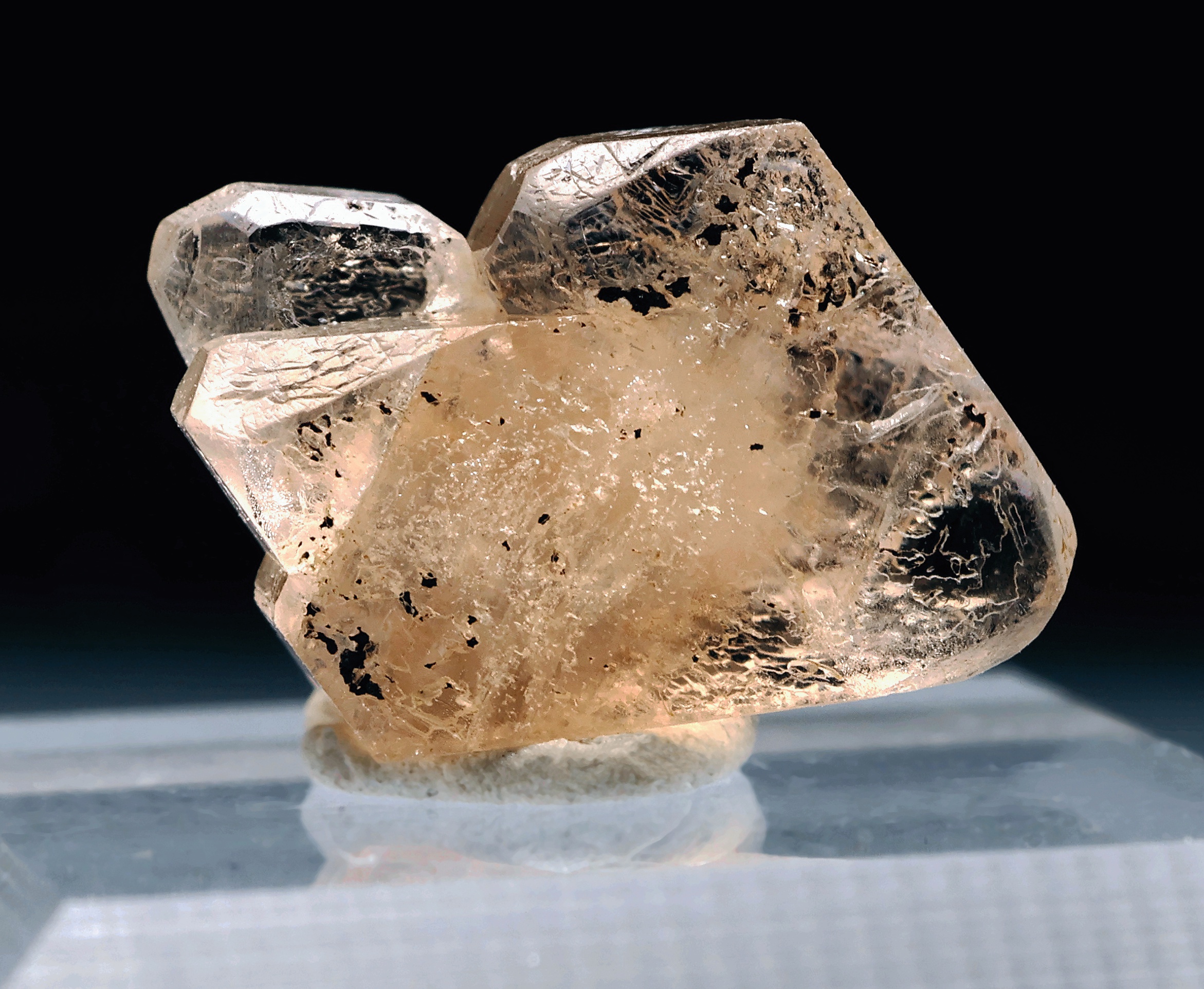
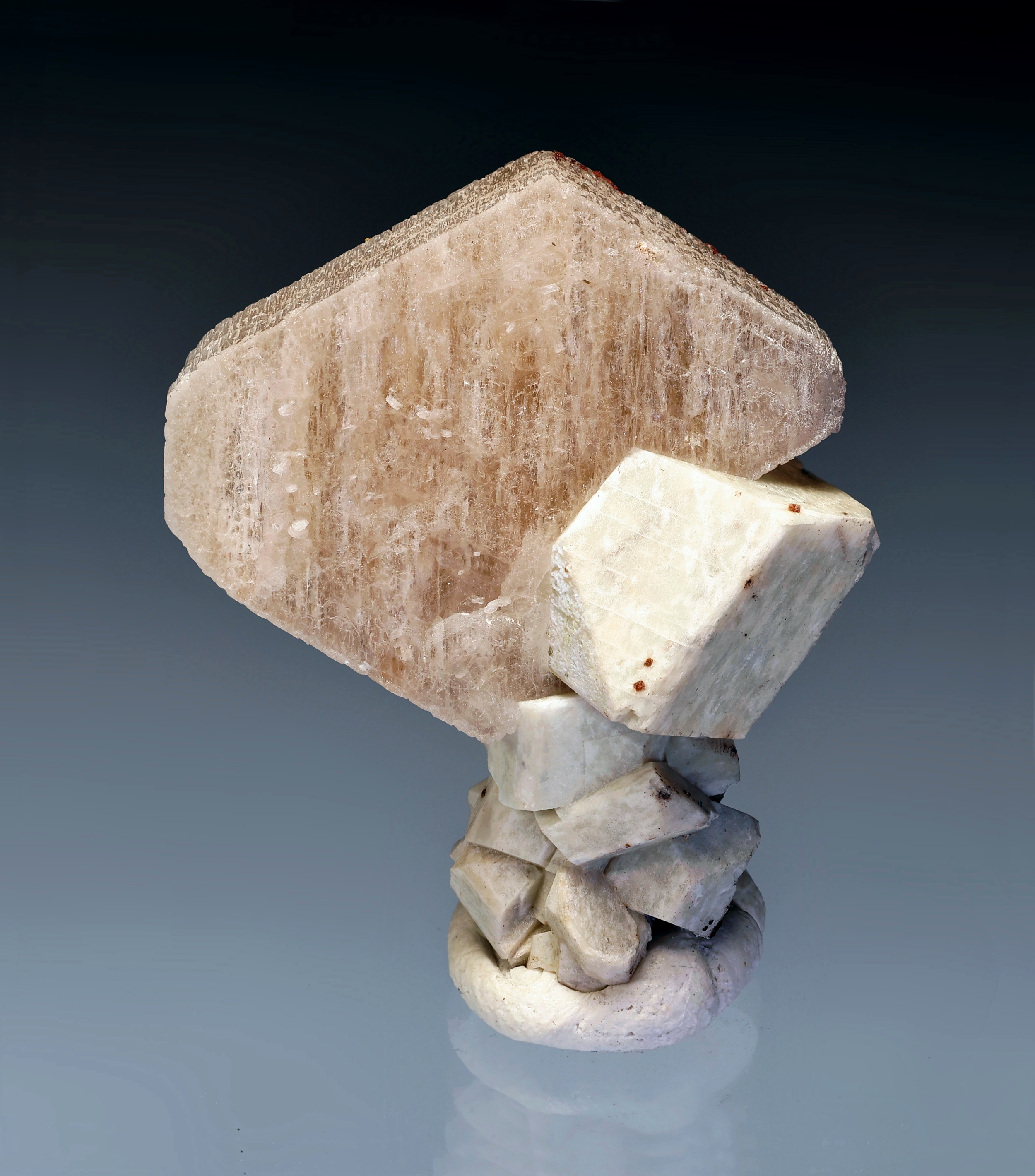
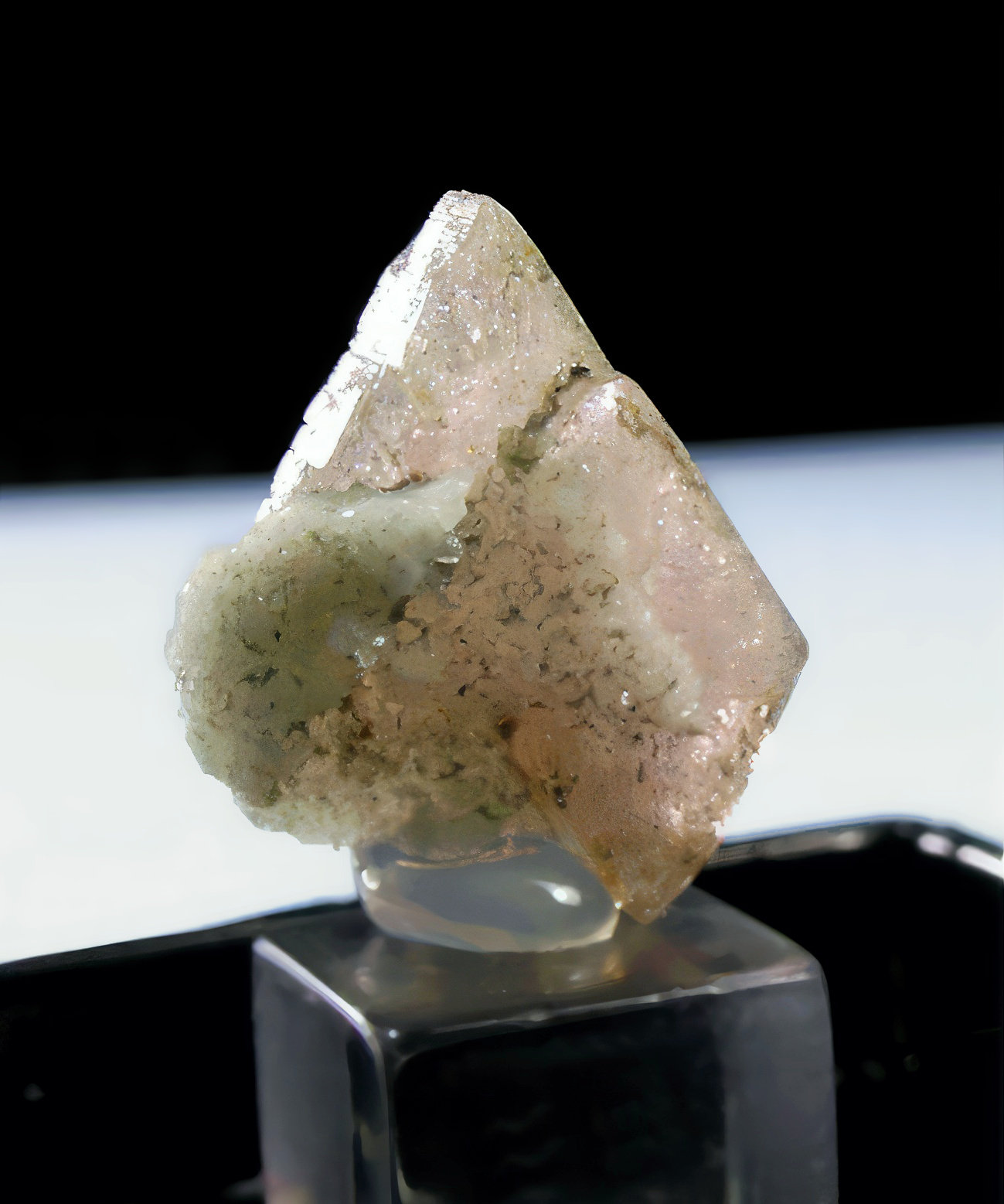
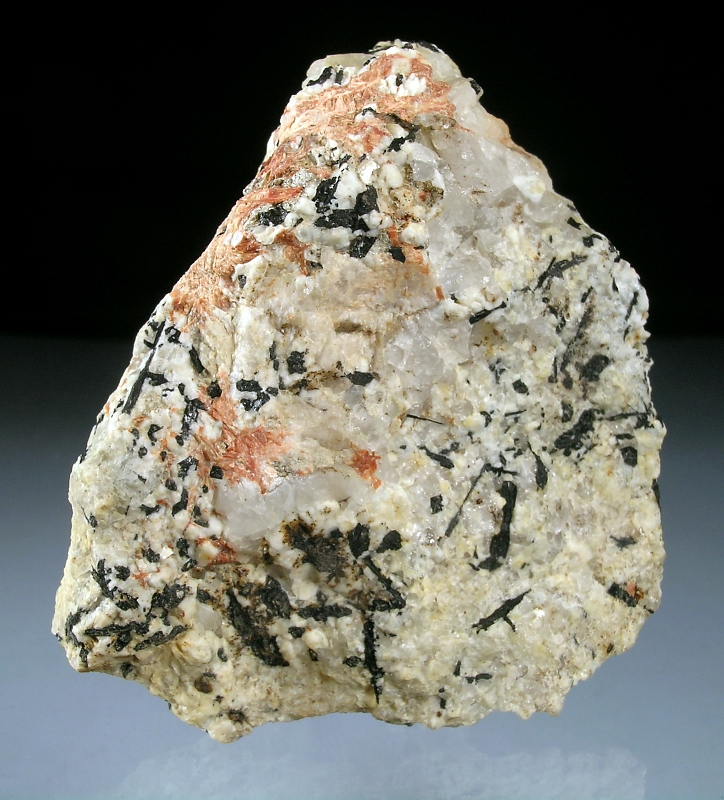
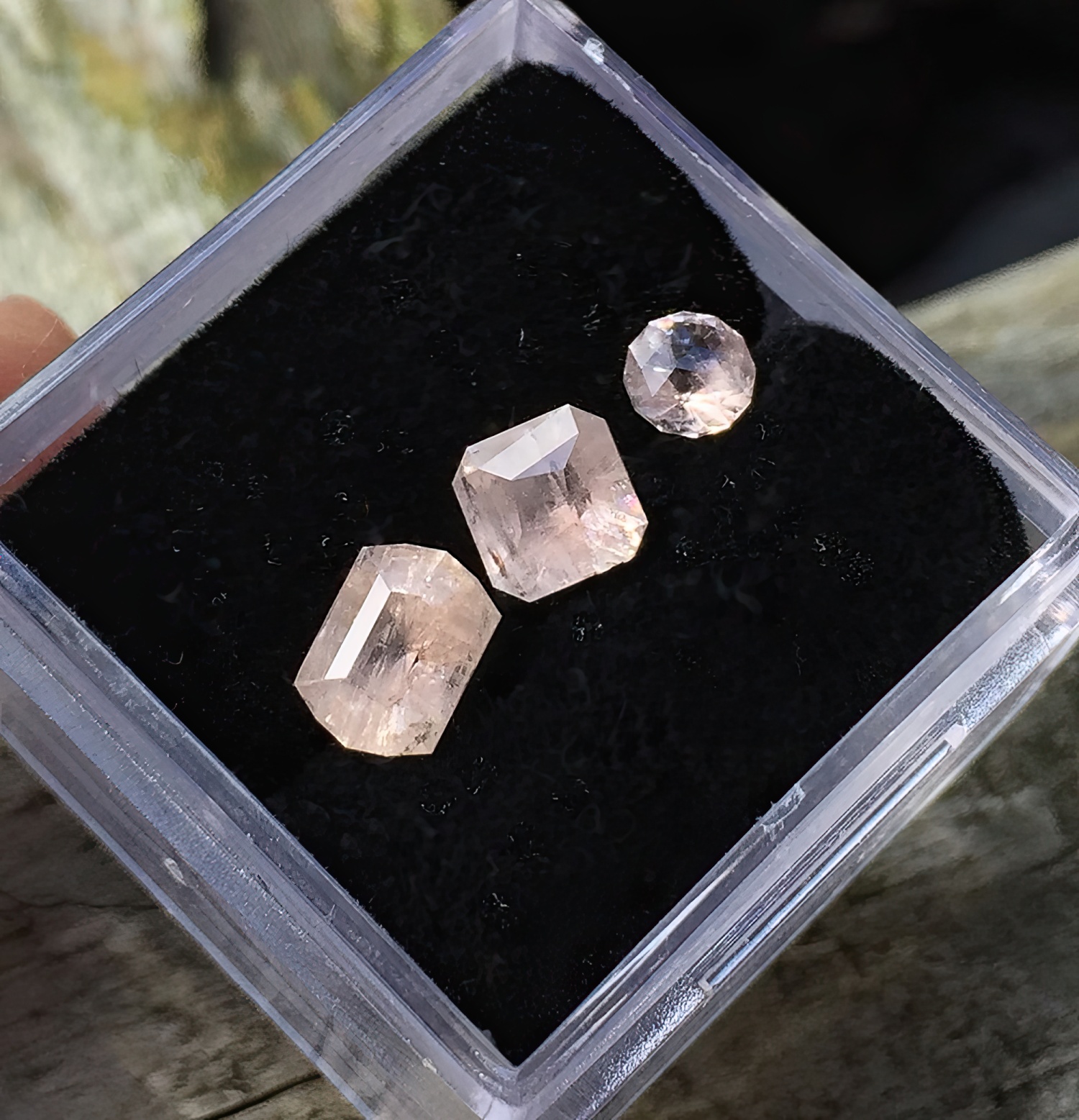
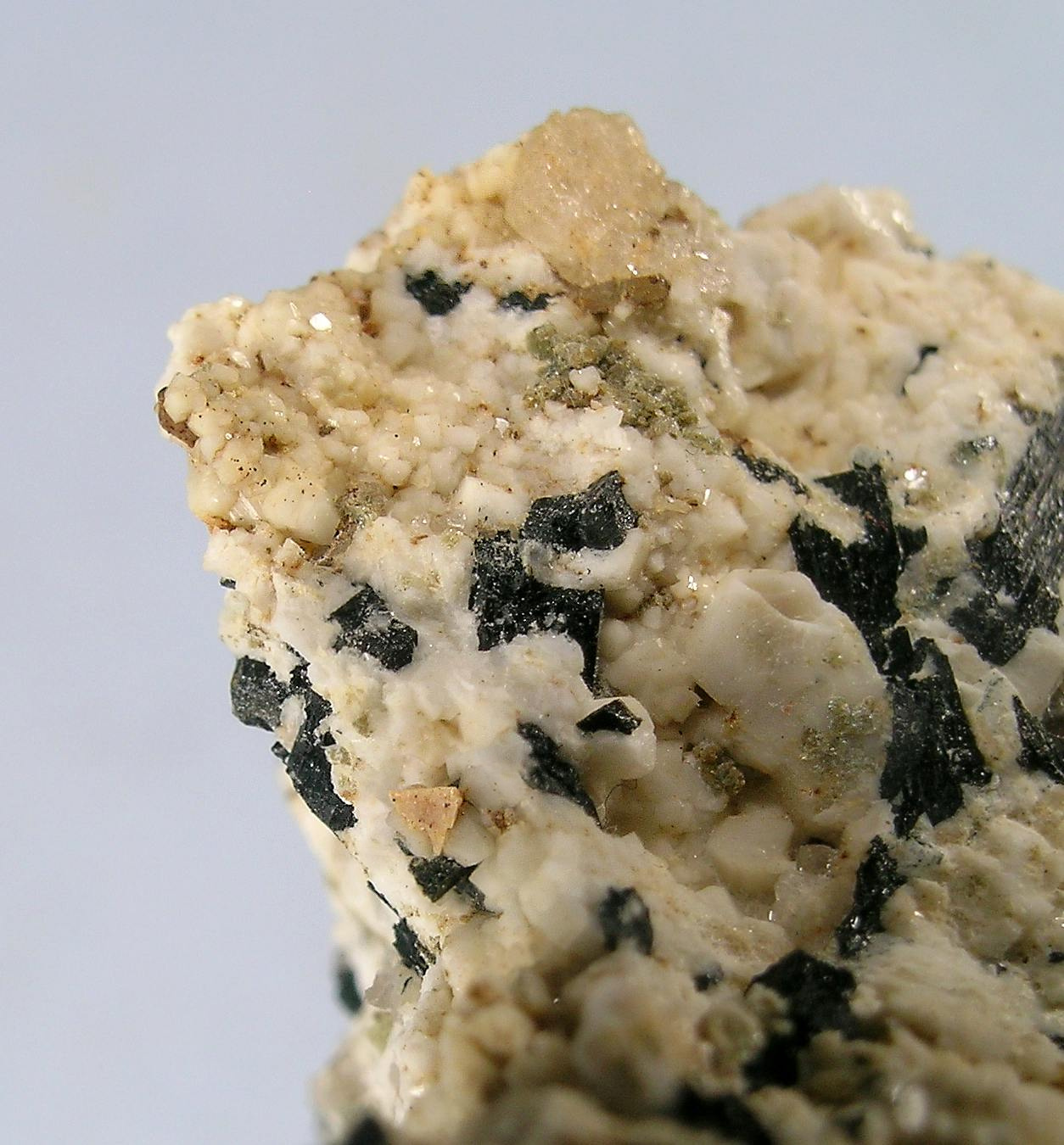
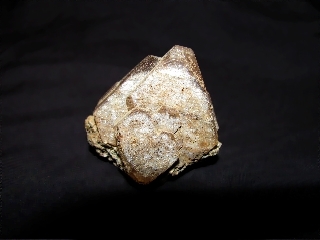
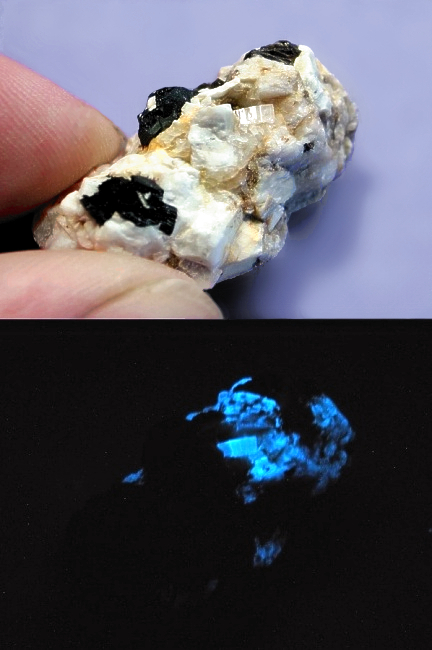
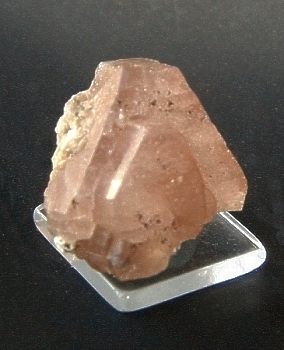
Zektzerite is a rare lithium sodium zirconium silicate mineral with the chemical formula NaLiZrSi6O15. It was discovered by the late, great Bart Cannon in 1966 at Washington Pass, Washington, before the final construction of the North Cascades Highway (State Route 20) was completed. Hosted in the peralkaline arfvedsonite granite of the Golden Batholith, which intruded the shallow crust about 49 million years ago, beautiful euhedral pink, peach, and colorless zektzerite crystals formed from late-stage residual fluids within miarolitic cavities. First thought to be pink morganite due to its color and pseudohexagonal, stout prismatic habit, it was later determined to be a new mineral when Jack Zektzer, a Seattle-based mathematician and mineral collector, submitted samples to the Smithsonian Institution for study. The International Mineralogical Association approved the species in 1976, and the official description was published in 1977 in American Mineralogist by Pete J. Dunn, Roland C. Rouse, Bart Cannon, and Joseph A. Nelen. The new species was named zektzerite after Jack Zektzer. Washington Pass remains today a destination for collectors who search the cliffs and talus boulders for miarolitic cavities. Zektzerite fluoresces light blue to yellow under shortwave ultraviolet light. As one of the world's rarest gem-quality minerals, zektzerite is highly coveted. While most faceted specimens weigh less than a carat, exceptional multi-carat stones of remarkable quality do exist. Featured below are a few select pieces, professionally faceted by Jaimy Henman.