 | King County, Washington, USA |
 |
GEOLOGY
Snoqualmie Batholith - late Oligocene to early Miocene (28 Ma[million years ago] to 22 Ma). Uplift and erosion of the Old Cascade Volcanic Arc exposed plutonic rock of the Snoqualmie Batholith near Snoqualmie Pass. Intrusive rock types found within the Snoqualmie Batholith range in composition from granite to gabbro.Granodiorite is the most prevalent exposed rock type. Other lithologies within the batholith include porphyritic dacite, andesite, aplite, and intrusive breccia (Livingston, 1971).
Intrusive breccias can be the host for metallic ore deposits and aesthetic mineral specimens. An intrusive breccia is a cylindrical structure that is formed by the violent ascent of volatiles near the top of a shallow intrusion as it cools. The force of volatiles escaping to the surface causes the rock to fracture and fault, providing open spaces for subsequent mineralization by hydrothermal fluids. These high temperature acidic fluids are responsible for the alteration of plagioclase to muscovite and clay within the adjacent granodiorite breccia blocks and for the precipitation of quartz and metallic ore (usually as sulfides) on the walls of the blocks. Most intrusive breccia metallic mineral deposits within the Snoqualmie region are currently uneconomic due to poor accesibility and/or the low tenor of the ore (Cu, Au, Ag), but many mining claims are still active that produce some of the finest quartz and sulfide mineral specimens in the world.
The Pedro Claim is located near the east end of the NE trending Middle Fork property. All specimens below were collected from a private claim. Collecting is prohibited without permission.
MINERALS (incomplete list)
|
| CaCO3 - Occurs as euhedral crystals associated with quartz and sulfides. |
|
| CuFeS2 - Occurs as euhedral crystals associated with quartz, often twinned and with an incredible rainbow iridescence. |
|
| ZnS - Occurs as crystals up to a few centimeters, often lustrous with complex growth exhibited along the faces. |
|
| ZnS - Occurs as thin bladed crystals, typically altered to iron oxides. |
|
| ZnS - Terminated lustrous black crystals, typically less than one centimeter. |
|
| SiO2 - Terminated crystals, typically less than 3 inches, line vugs within brecciated diorite. Many quartz crystals are inclusion-rich. Rare Japan-Law twinned crystals occur. |
* photographed
 Japan-Law twinned QUARTZ cluster Photo Copyright © Eric He |
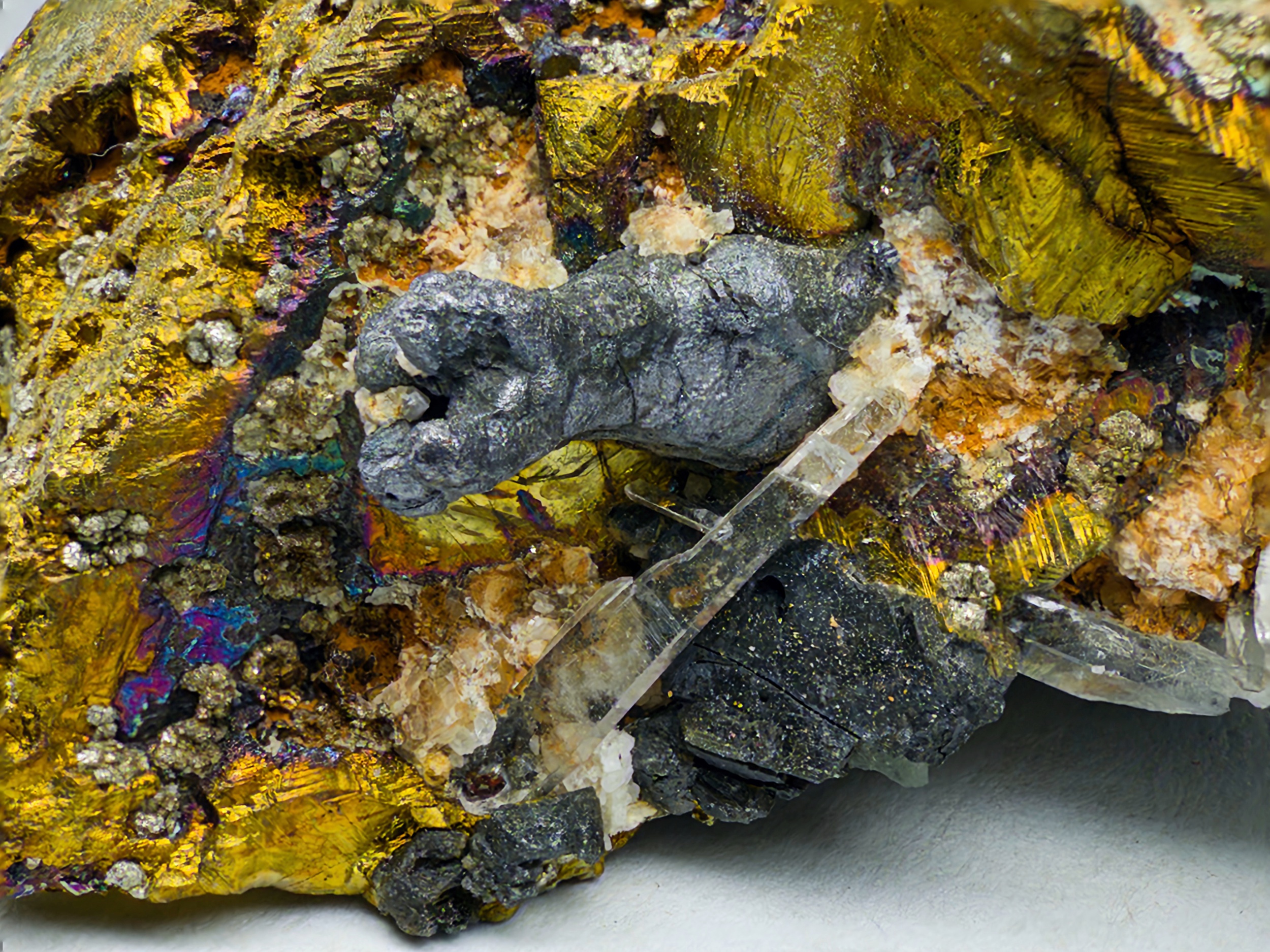 GUSTAVITE-LILLIANITE SERIES?, SPHALERITE, SIDERITE, PYRITE and CALCITE on QUARTZ and CHALCOPYRITE Photo Copyright © Eric He |
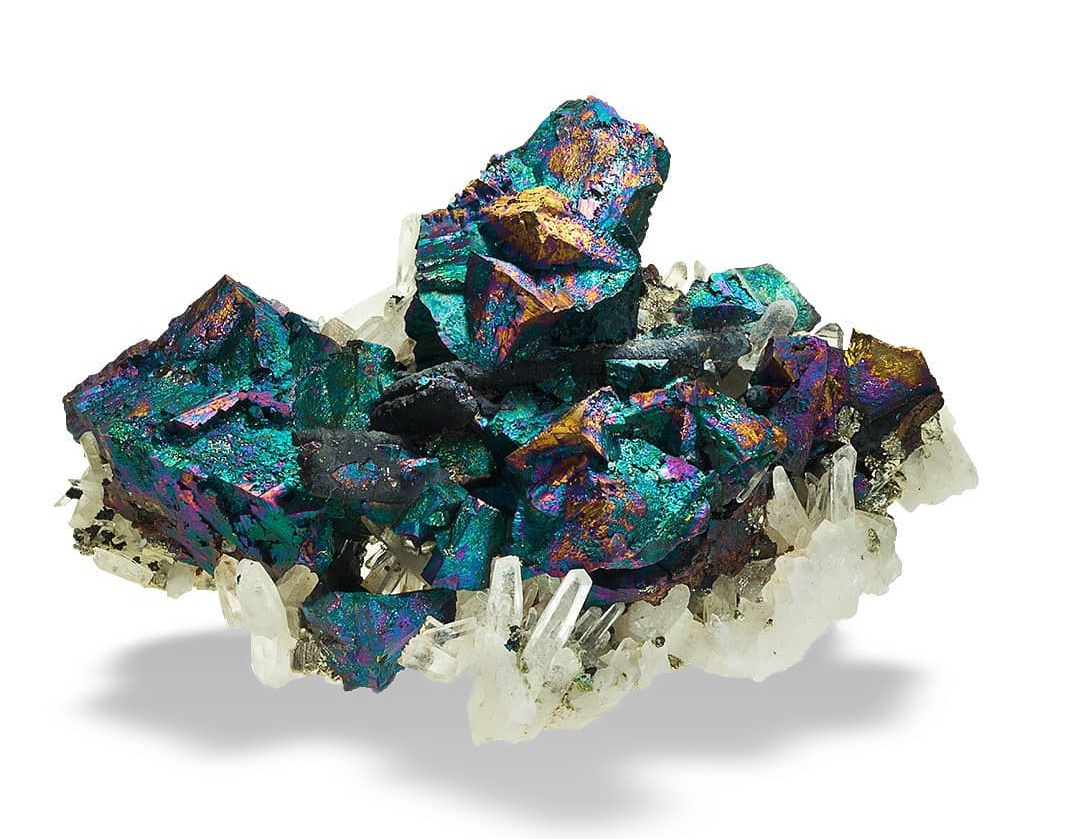 CHALCOPYRITE with GUSTAVITE-LILLIANITE SERIES on QUARTZ crystals with associated PYRITE |
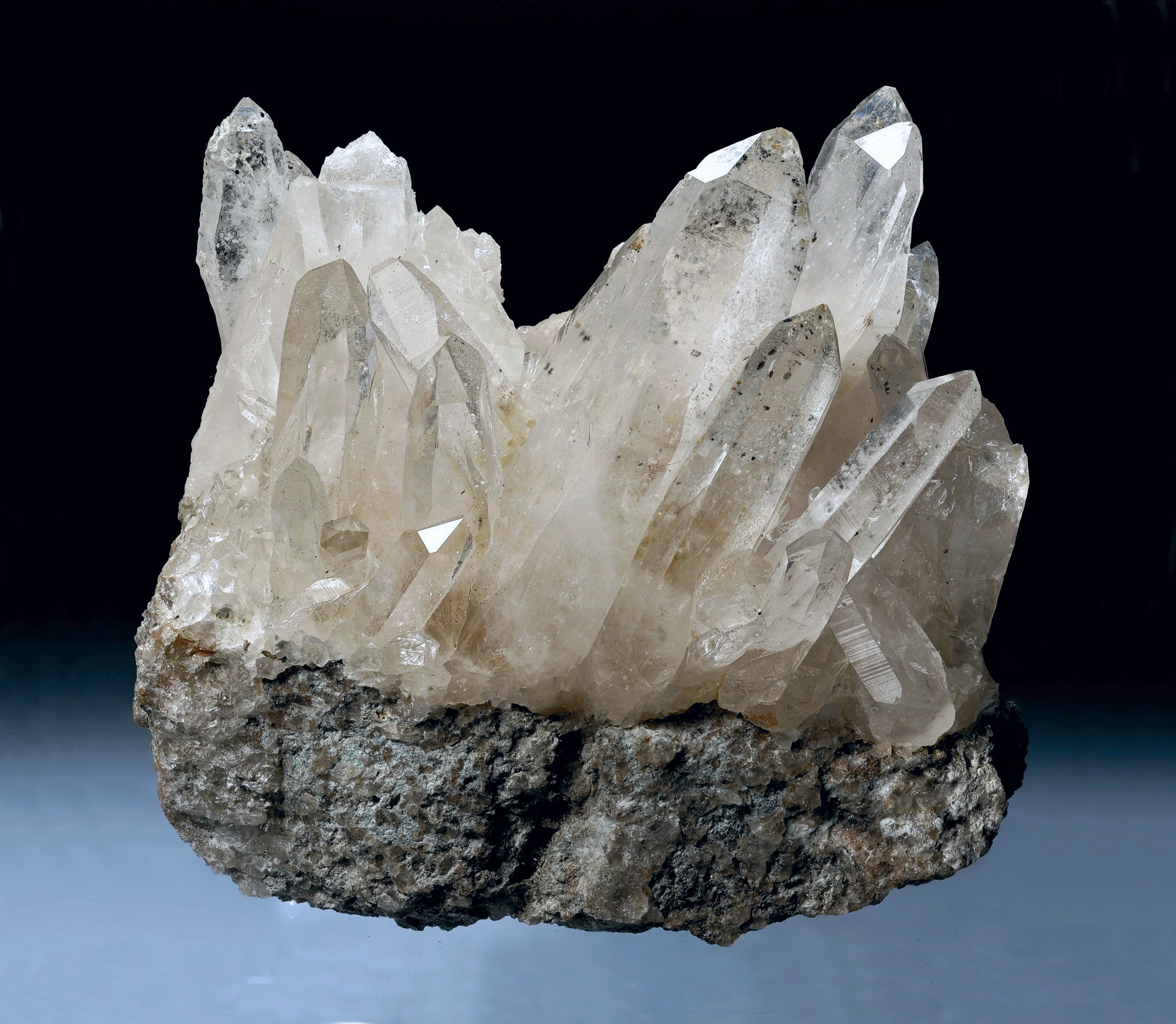 QUARTZ on tonalite matrix |
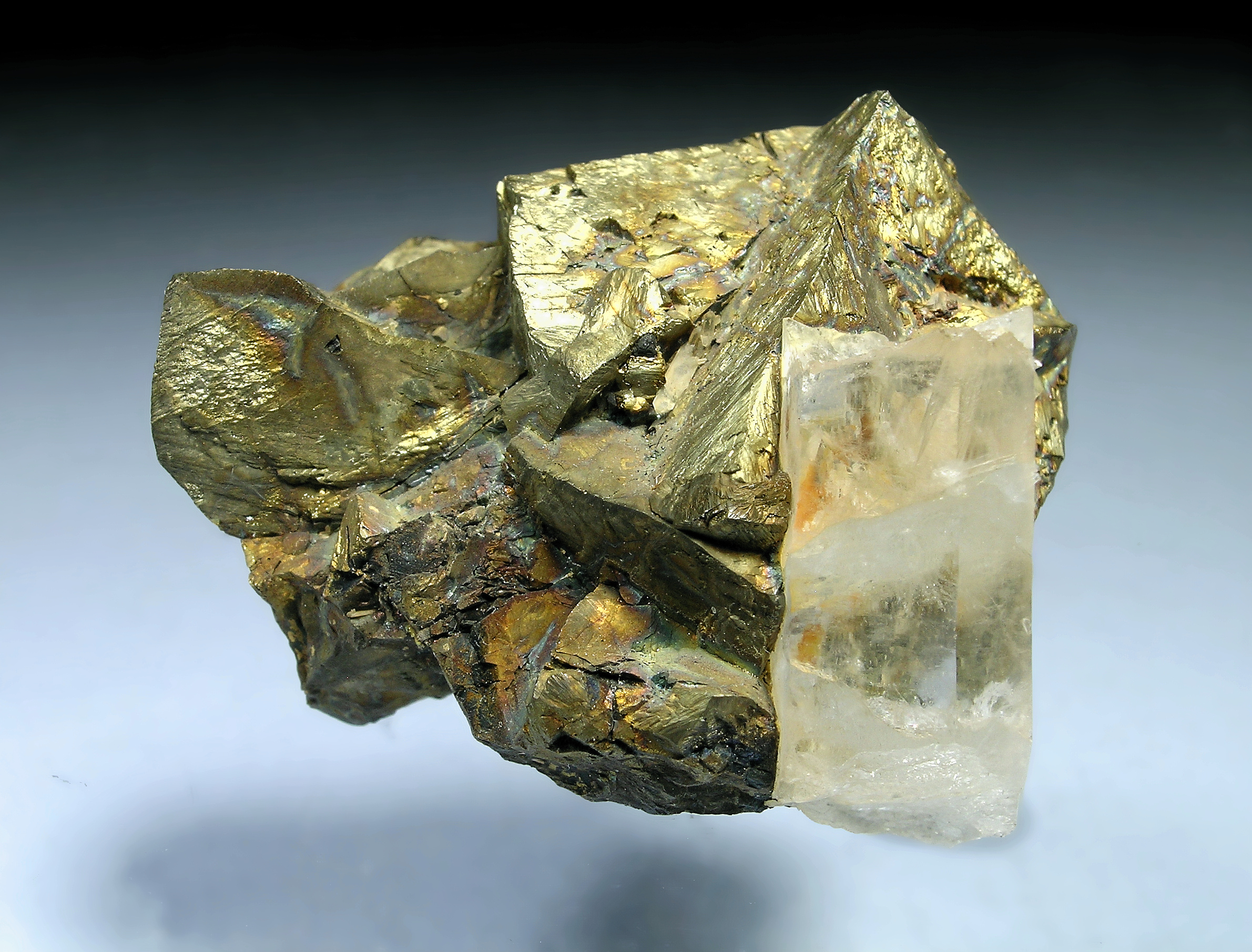
Iridescent CHALCOPYRITE with QUARTZ |
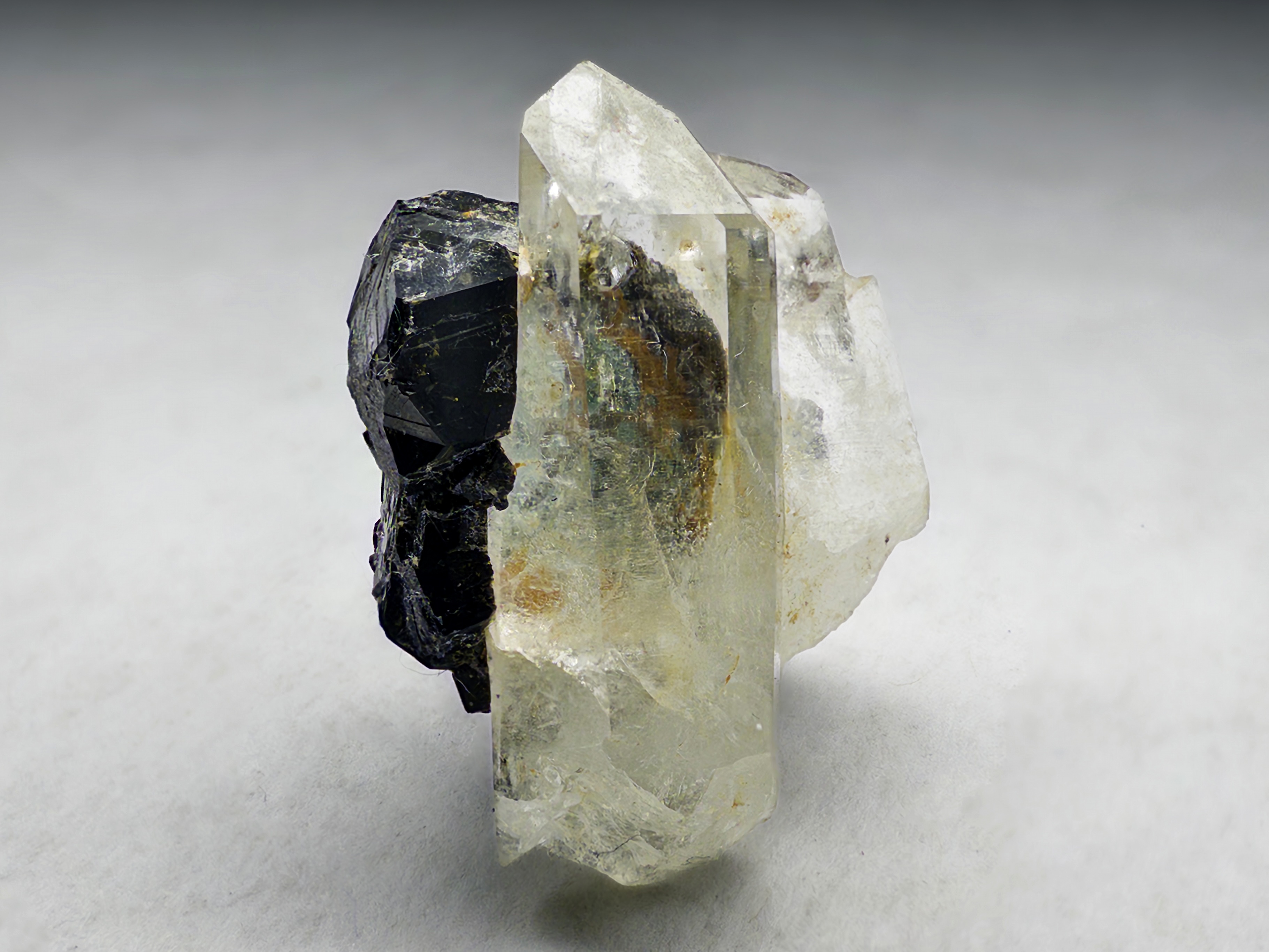 SPHALERITE on QUARTZ Photo Copyright © Eric He |
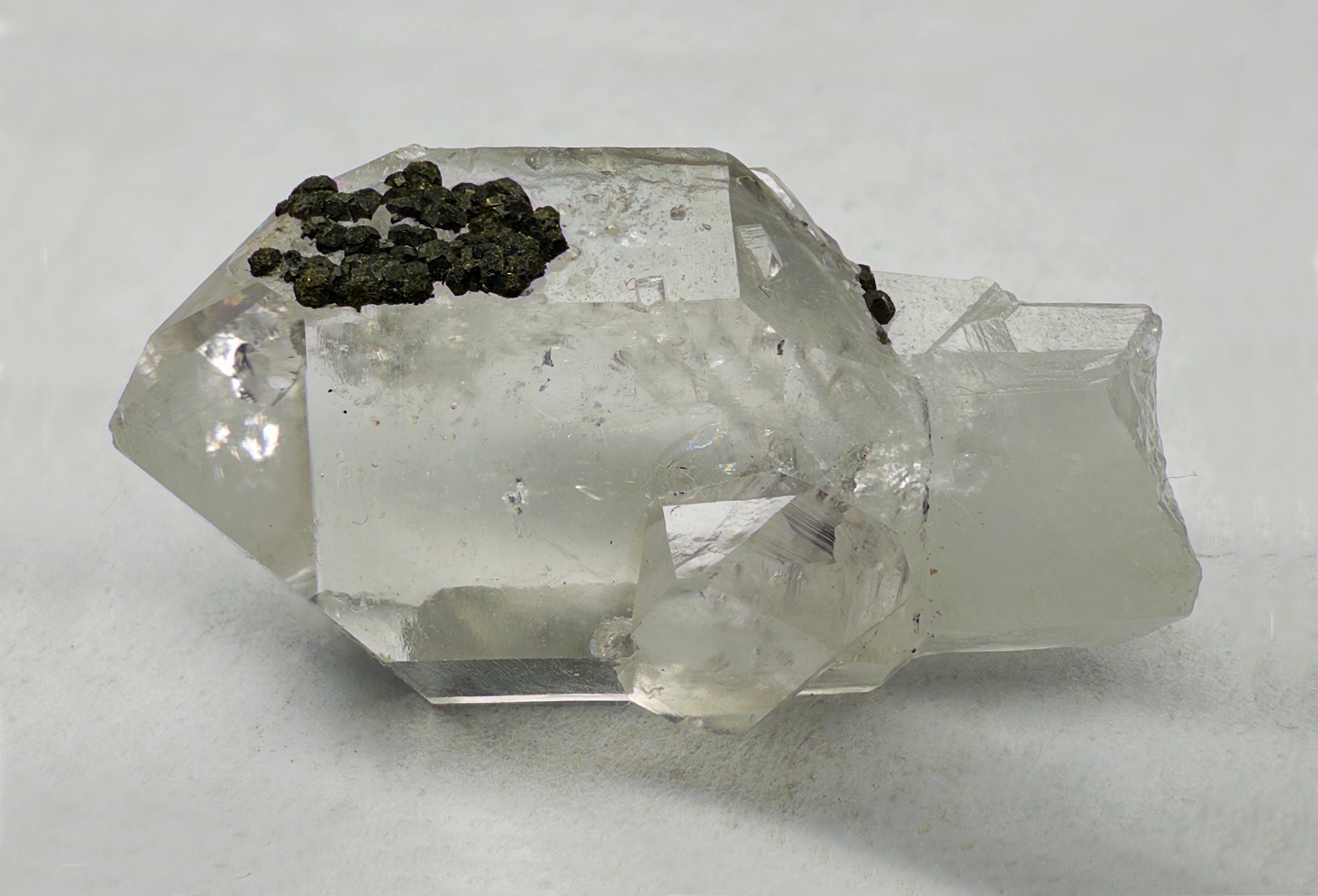  GALENA on sceptered QUARTZ Photo Copyright © Eric He |
Livingston, Vaughn E., (1971) Geology and Mineral Resources of King County, Washington, USA. Bulletin - Division of Mines and Geology (State of Washington) 63, Pages 200.